
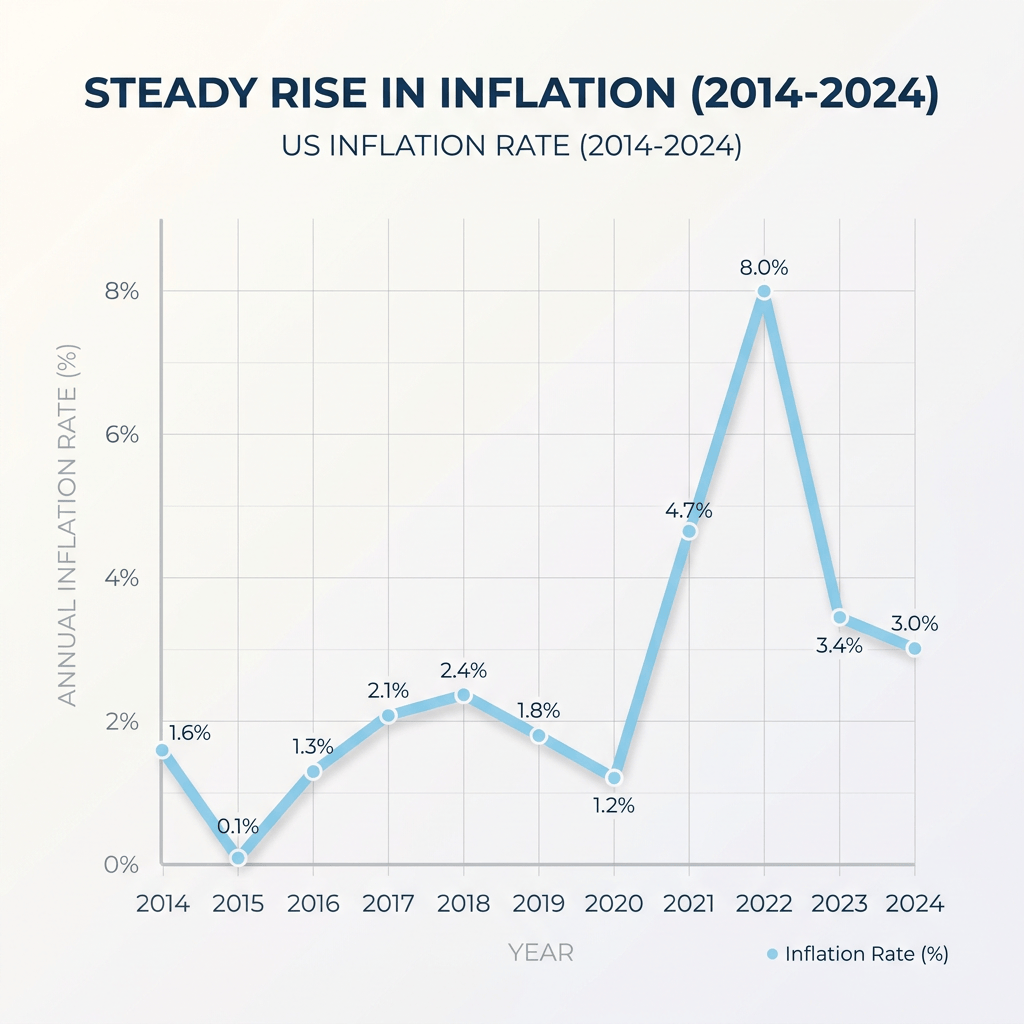
The Federal Reserve raised rates by 25 basis points, lifting the target range to 3.75%-4%. It’s the first hike since 2023 and the dot plot implies it might not be the last one we see this year. The majority of the FOMC thinks at least one more is coming.
The 2 year jumped 7 basis points while the 10 year actually fell midday while ending flat. This means that the bond market has some faith in the Fed hike curbing inflation, but I find the logic behind this funny.
Let me explain.
The Actual Driver of Inflation
I’ve covered this in past articles, but the problem of a hike is that it can only curb domestic inflation. However, most inflation we’ve seen is energy and airfare (essentially the same thing) driven. There is a wide gap between the CPI and Core CPI. While the MoM Core number came in hot, I’d say it’s primarily the passing on of energy costs.
So, a hike doesn’t do anything to the real problem. It doesn’t reopen a closed Strait or de-escalate a regional conflict. The supply curve is where it is, and no amount of domestic credit tightening shifts it.
The high CPI number could also be overstated. A high 10-year yield has caused a slowdown in housing prices already, but the CPI doesn’t reflect that since it uses Owner’s Equivalent Rent (a smoothened out housing print that runs 1.5 years behind). Using Case-Shiller would tell us housing inflation is overstated, and it would mean the CPI is overstated as well since shelter carries heavy weightage.
So this present a few problems. First, inflation isn’t as high as we think. Second, the areas of the economy that aren’t presenting problems might get hurt by the hike.
Proof For My Argument
The 10-year has been creeping toward or near 5% for weeks. The 30-year has been north of 5.3%. These are the highest long-term borrowing costs since before the financial crisis, and they’ve been in place long enough to work through the system. All major borrowing has already been repriced.
And inflation is still 3.4%.
The tightening already happened and the bond market delivered it without the FOMC, and it didn’t fix the problem
The Part I Find Intriguing
The bond market bid the long end, initially pushing yields down on the theory that the Fed hiking will bring inflation under control.
Even though the yields ended flat, I still think that initial move is interesting. For the majority of borrowing in this economy, the long end is the financial condition. When the 10-year falls, mortgage rates fall, corporate borrowing costs fall, discount rates on long-duration assets fall, and financial conditions loosen. That’s stimulus. That’s the opposite of what a hiking central bank is trying to achieve.
So the market observed the Fed tightening, concluded that tightening would reduce inflation, and initially expressed that conclusion by easing the exact financial conditions that would have done the tightening. Regardless, I’ve said in previous articles that I wouldn’t have expected the yields to move upward too much anyway. The Fed isn’t the primary driver of the yields right now since most of the inflation fear has been priced in.
So Why Hike?
I understand the common question after reading this might be “why would the Fed hike if it can’t affect the actual inflation we’re seeing?”. The reason is messaging. The dominant criticism of the Fed under Powell was its passivity. Holding again in September with headline inflation over 3% and oil in the headlines every day would have confirmed that critique.
This move helps to send a message to markets that the Fed is taking action. And plus, I think two things can be true at the same time. Hiking is the right decision, and it also doesn’t make an impact. In the end, the Fed is in a tough spot. Until the geopolitical environment calms, the rest of the economy will be too.
 Investing IQ
Leave a comment